Esther Frumkin was the pseudonym of the Jewish educator, writer, and socialist-turned-communist Malkah Lifchitz. Active in the Russian and later Soviet leftist political scene in the early twentieth century, Frumkin was an independent thinker and a unique woman in the Jewish labor movement. However, she drew criticism from both Jewish and Communist leaders and died in a Soviet detention camp in 1943.
Jane Ahlborn Friedenwald used her position as a member of one of the most prominent Jewish families in Baltimore to support and promote vital Jewish causes and institutions.
Betty Friedan was the author of a pathbreaking feminist book, The Feminine Mystique, which sold millions of copies and helped to provoke a feminist movement in the United States. She was an activist and writer who hoped to improve women’s lives by co-founding the National Organization for Women and other women’s political groups. Her many books focused on women’s rights, the women’s movement, and aging.
Ida Weis Friend worked to improve the lives of those in her Southern Jewish community on many levels. Her leadership in Jewish organizations, such as Hadassah and the National Council of Jewish Women, and her political activism, such as her time as a delegate to the Democratic National Convention and Commission on Interracial Cooperation, earned her many honors and accolades.
German-born Recha Freier founded Youth Aliyah in 1933, which assisted in sending Jewish European teenagers to Palestine prior to World War II to be trained as agricultural pioneers on kibbutzim. Although she was responsible for saving the lives of many thousands of Jewish youth, Freier’s efforts were not officially acknowledged until 1975, when she was eighty-three years old.
Henrietta Franklin (née Montagu) was a leading British educationist and suffragist and a supporter the Liberal Judaism movement, pioneered by her sister Lily Montagu.
A pioneering feminist leader in business and the arts, Ellen Frankel served as the first woman CEO of the Jewish Publication Society. She is the author of several books including The Classic Tales: Four Thousand Years of Jewish Lore (1989) and The Five Books of Miriam (1996), a retelling and woman’s commentary on the Five Books of Moses, and has written several librettos,.
A stubborn nonconformist from an early age, Käte Frankenthal was a physician and politician active in Germany’s Social Democratic Party. While running her own successful private practice, she was active in sex reform legislation and played a prominent role in the Federation of Women Physicians.
Eugénie Foa (1796-1852) was, to our knowledge, the first Jewish woman to support herself professionally as a writer. Based in Paris, she wrote in French and was active in circles of French women writers who advocated for greater recognition. She wrote novels and newspaper articles on a variety of topics, including stories about Jews but also on fashion and the lives of saints. She is best remembered for her children’s books.
An outstanding communal leader in New York City’s Orthodox Jewish community in the early twentieth century, Jane Brass Fischel was a generous philanthropist and active participant in Jewish communal activities.
Ruth First was a prolific writer and her penetrating investigative journalism exposed many of the harsh conditions under which the majority of South Africans lived. As various restrictions prevented her from continuing her work as a journalist Ruth First became more and more involved with the underground movement that was changing its tactics from protest to sabotage.
Shulamith Firestone was one of the founders of radical feminism in the United States. At age 25, she published The Dialectic of Sex: The Case for Feminist Revolution, which brought together the dialectical materialism of Marx and the psychoanalytic insights of Freud in an effort to develop an analysis of women’s oppression that was inclusive of the dimensions of class and race.
Doris Fleischman made history as the first American married woman issued a passport under her own name. Her prolific writing career and public feminism brought her national recognition.
Senator Sheila Finestone was an important figure in Canadian parliamentary history, founding the Coordinating Committee of Women Parliamentarians for the Inter-Parliamentary Union. She took up issues including human rights and served as president of the Quebec Federation of Women. A cornerstone of Canadian Jewish history, Finestone dedicated her life to advocacy and activism.
Israeli filmmaking is a national cultural expression, and female Israeli directors have become major contributors to that expression. In their films, these directors deal with personal relationships and family conflicts, religious and professional issues, and the effects of the Holocaust on survivors and their descendants.
Jewish women participated in and propelled all aspects of the women's rights movement, from suffrage in the nineteenth century to women's liberation in the twentieth. Despite occasional instances of antisemitism in the general feminist movement, Jewish women were passionate advocates of feminist goals.
Jewish feminist theology focuses on central Jewish categories, themes, and modes of expression—for example, God, prayer, Torah, and halakhah—and asks who created them and whose interests they reflect. It raises meta-questions about Jewish tradition.
The first Israeli radical women’s movement was established in 1972. The 1973 Yom Kippur War then created an awareness of the meaning of the gendered role division between men and women, and soon after the war, a choir of voices, organizations, and movements began to fight for feminist causes. In the twenty-first century, the feminist landscape expanded, but the feminist field remained highly divided.
Sandra Feldman dedicated her career to protecting the rights of educators as the first woman president of both New York City’s Union Federation of Teachers (UFT) and the American Federation of Teachers (AFT).
Mary Fels used her wealth and her talents to further the Zionist cause, arguing passionately for a Jewish state and helping create both settlements and industry in Israel. Both Fels and her husband, a successful soap manufacturer, felt their wealth gave them a responsibility to reform capitalism and use their money for philanthropy.
A childhood friend of Golda Meir, Sara Feder-Keyfitz grew up to be a significant Zionist and feminist leader in her own right. From 1951 to 1955, she served as the national president of Pioneer Women
Writer and poet Ruth Fainlight’s work interweaves feminism and elements of Judaism, often using biblical imagery and reflecting on her own Jewish identity and the Holocaust.
Marcia Falk is a poet, translator, and liturgist whose knowledge of the Bible and of Hebrew and English literature informs the feminist spiritual vision of her work. She is widely considered one of the foremothers of, and foremost contributors to, the Jewish feminist movement.
Judith Epstein led Hadassah through the tumultuous years of World War II, shifting its mission from building infrastructure in Palestine to establishing an internationally recognized Jewish state. During her tenure, Hadassah became the largest Zionist organization in the world.
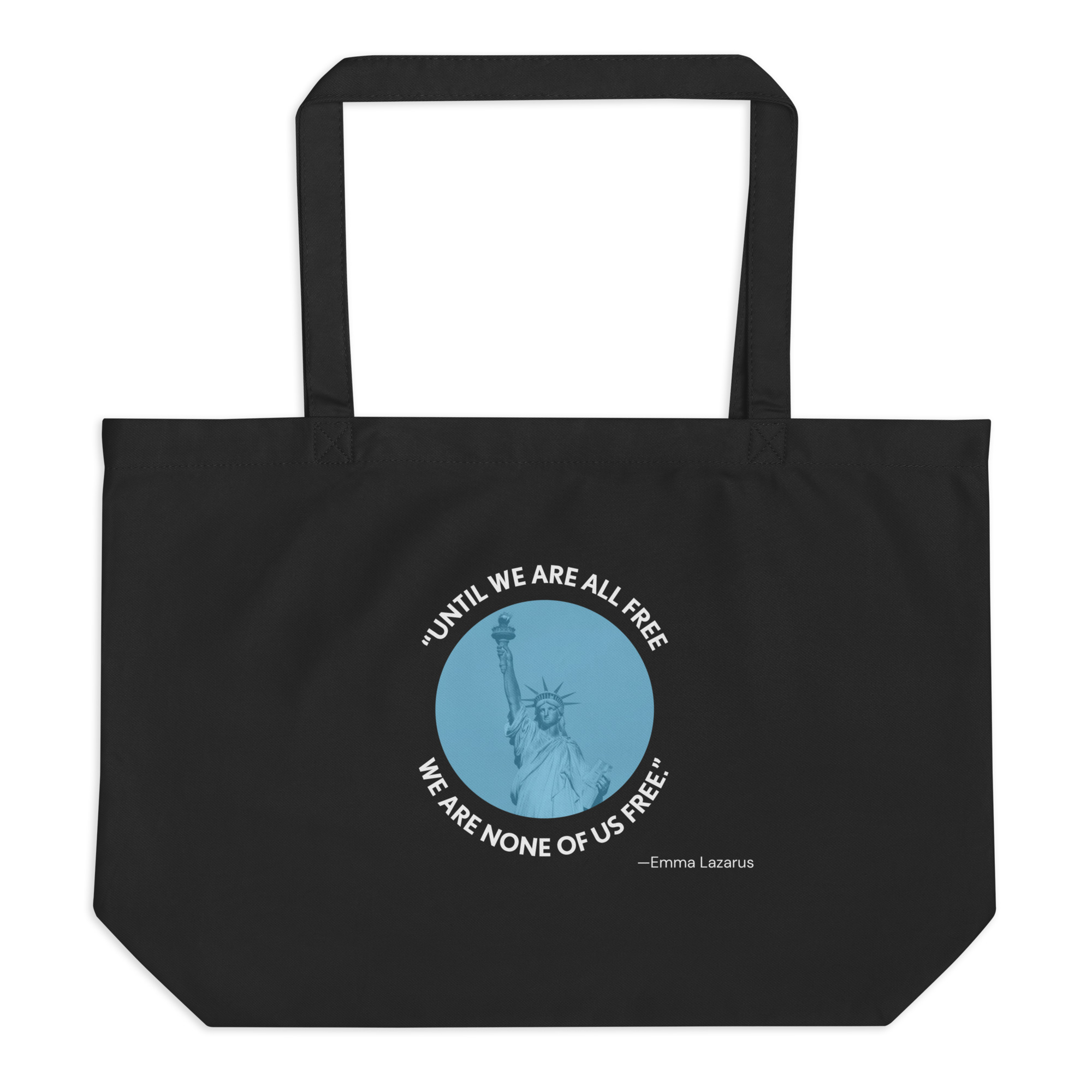
The Emma Lazarus Federation of Jewish Women's Clubs, or ELF, was a women's group inspired by the humanistic spirit of poet Emma Lazarus. The clubs worked through education and outreach to promote a progressive, secular Jewish heritage, as well as causes such as women's rights and the elimination of antisemitism and racism.