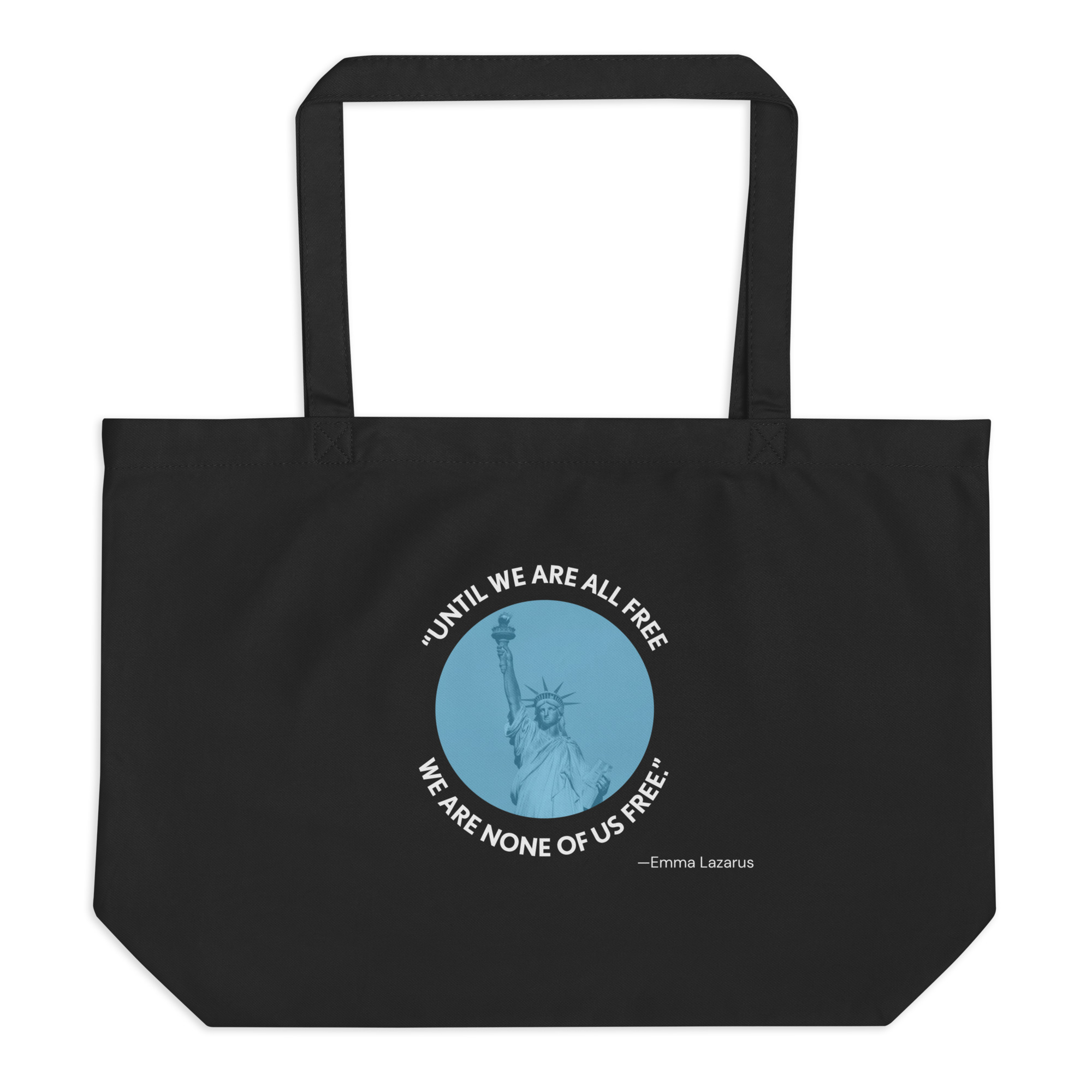

Hebrew Women in the Wilderness: Midrash and Aggadah

The Rabbis portray the women of the generation that wandered in the wilderness as righteous, not caught up in the sins that swept the men of Israel. More often than not, they are depicted as resisting and even correcting the sins of the men, including the sins of the Golden Calf and the reports of the spies.
Article
The Rabbis portray the women of the wilderness generation as righteous, not caught up in the sins that swept Israel. Moreover, the women sought to correct what the men had spoiled, repairing the breaches for which the men were responsible. The Rabbis cite a number of examples of sins committed by the Israelites during the period of their wanderings in the wilderness which the women attempted to prevent.
The narrative of the Golden Calf in Ex. 32:2 has Aaron appealing to the people: “Take off the gold rings that are on the ears of your wives.” As the Rabbis tell it, the men were eager to sin and build the Calf, and therefore turned to their wives with a request for their jewelry. However, the women were unwilling to cooperate in this sinful activity and in consequence only the men contributed their jewelry. Scripture relates in the following verse: “And all the people took off the gold rings that were in their ears,” but does not specify that the women offered their earrings.
In the sin of the spies the men slandered the Land, as is portrayed in Num. 14:36: “those who came back and caused the whole community to mutter against him.” The women, however, had no hand in this, and accordingly the punishment that all that generation would die in the wilderness was imposed only on the males. Num. 26:65 says: “‘They shall die in the wilderness.’ Not one of them [ish] survived.” From a close reading of the verse, that specifies “ish” (man), and not ish ve-ishah (man and woman), the Rabbis conclude that the women did not die, because they did not participate in this sin.
Another transgression of the men connected with the sin of the spies was their reluctance to enter The Land of IsraelErez Israel and take possession of it, as they said, “Let us head back for Egypt” (Num. 14:4). The women thought differently and cherished the Land. Thus, the daughters of Zelophehad came to Moses to ask for a portion in the land, as depicted in Num. 27. They thereby sought to correct what the men had spoiled and show that the people of Israel were indeed desirous of entering and taking possession of the land that had been promised to them (Num. Rabbah 21:10; Tanhuma [ed. Buber], Pinhas 7).
More Like This


Double your impact to amplify Jewish women’s stories—
All gifts matched up to $35,000
Before you close this article, please consider supporting the Jewish Women’s Archive and uplifting Jewish women’s voices.
At JWA, we preserve the voices of Jewish women and gender-expansive people past and present, share them freely with millions online, and empower a new generation of Jewish feminists to lead with courage, creativity, and conviction.
But none of this happens without you. JWA is an independent nonprofit— we rely on people, like you, who believe that history belongs to all of us and that the voices of Jewish women must remain powerful, and heard.
This month, a generous JWA board member will match every gift dollar for dollar—up to $35,000—through June 30. Your contribution goes twice as far right now.
Every contribution—no matter the size—helps us document, teach, and inspire through Jewish women’s stories.
It takes less than a minute to make a difference.
Thank you for being a part of the JWA community,

Judith Rosenbaum, CEO