
Finding Women's Empowerment in Jewish Literacy

I’ve been thinking a lot about literacy lately. Maybe it’s because I’m working for a children’s book company this summer or maybe it’s because I am now open to seeing the holes in my own literacy. Of course, when I think of literacy, I tend to associate it with Judaism because that is where many of my holes originate. I was given opportunities for Jewish literacy through Hebrew School, synagogue, and family gatherings all throughout my elementary school years, but I was not ready to take it in, to absorb it, to fuse that into my New York City culture. So instead I decided to become feminist literate, reading The Feminine Mystique, bell hooks, and Gloria Steinem. I abandoned anything that showed a hint of sexism (with the exception of the guilty pleasure teen literature that shall not be named) because I immediately assumed there would be nothing I could learn from it.
I was wrong. It took a trip to Israel and interviewing my grandmother to learn that Jewish literacy in all forms and capacities is a path to empowerment for Jewish women. When I interviewed my grandmother for my senior project, she said of Jewish literacy in her synagogue, “The women come up for Haftorah. Women if they’re knowledgeable. They come up and read English prayers. We’re getting a more egalitarian siddur. They want to replace the one we have so that it incorporates women.” I realized that there can be multiple definitions of “egalitarian” and those multiple definitions can be different manifestations of a feminist philosophy. To include women “if they’re knowledgeable” goes by the feminist principle of gender being secondary to knowledge, forming a meritocratic rather than sexist society.
In this token, Jewish literacy is essential in cultivating a religion that is not based on the confines of a gender binary where men are required to be literate and women not allowed expression of that literacy. Women are now given the opportunity to have and embrace Jewish literacy. In comprehending implications of the Torah, for example, we do not immediately dismiss the sexism as part of tradition. We can critically analyze where this founding text stands in our modern, feminist lives, creating interpretations that cultivate empowerment.
There are many women across the generations who never had Bat Mitzvahs. My mother is included in this population. Having the Bat Mitzvah – the physical ceremony – was not what she needed or wanted to feel empowered and emboldened as a Jewish woman. What she wanted was a foundation in texts, one that she could make her own. Majoring in Jewish Studies in college, learning Hebrew, and not only attending but understanding the message in synagogue, she found a Judaism that made her feel welcome. I can’t help but think that Jewish literacy could help me to feel the same. I have gotten to the point where I am a proud Jewish woman and I now seek the knowledge to back that up because literature, really, is the foundation of all forms of empowerment.
Double your impact to amplify Jewish women’s stories—
All gifts matched up to $35,000
Before you close this article, please consider supporting the Jewish Women’s Archive and uplifting Jewish women’s voices.
At JWA, we preserve the voices of Jewish women and gender-expansive people past and present, share them freely with millions online, and empower a new generation of Jewish feminists to lead with courage, creativity, and conviction.
But none of this happens without you. JWA is an independent nonprofit— we rely on people, like you, who believe that history belongs to all of us and that the voices of Jewish women must remain powerful, and heard.
This month, a generous JWA board member will match every gift dollar for dollar—up to $35,000—through June 30. Your contribution goes twice as far right now.
Every contribution—no matter the size—helps us document, teach, and inspire through Jewish women’s stories.
It takes less than a minute to make a difference.
Thank you for being a part of the JWA community,
Judith Rosenbaum, CEO




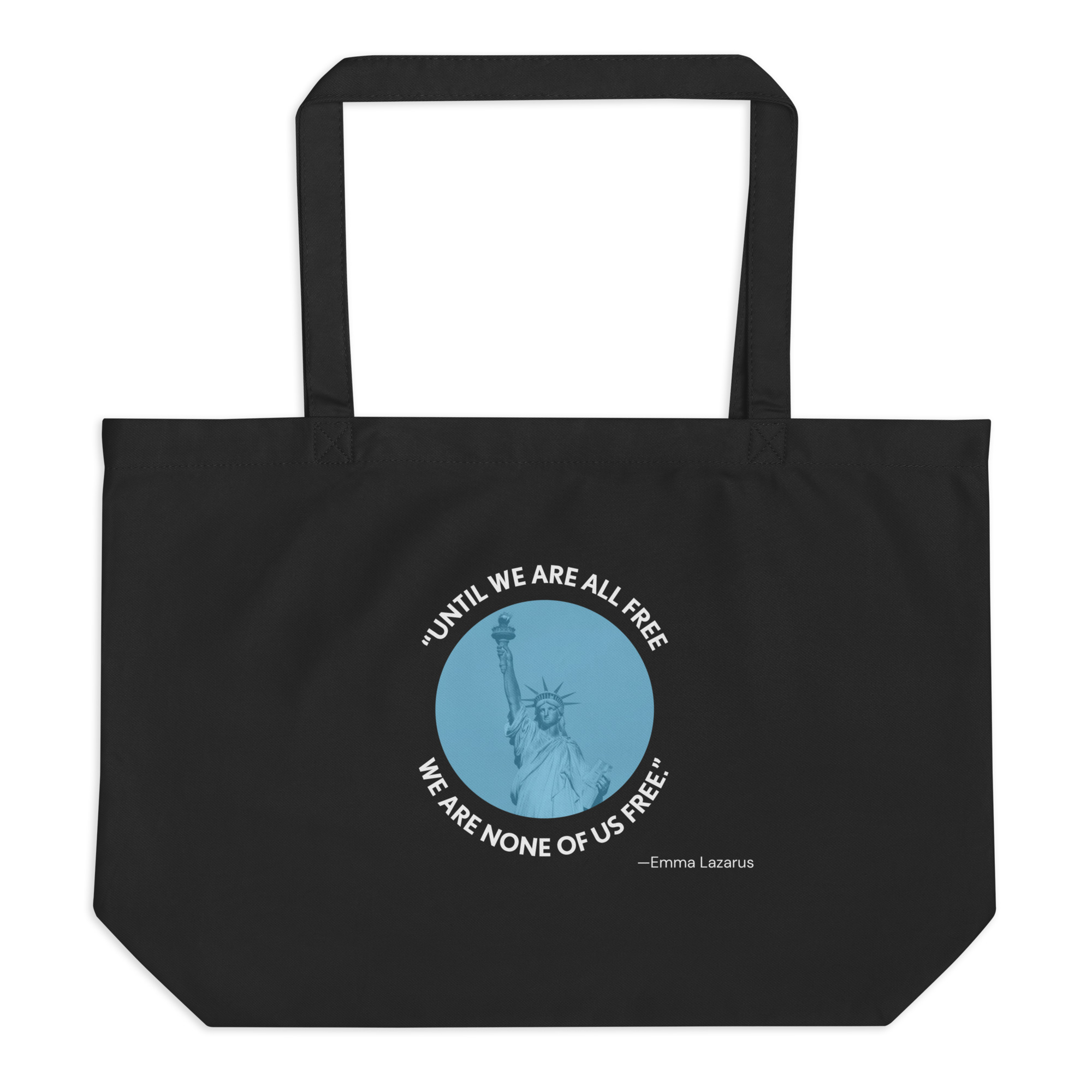
This posting stayed with me, probably because in my day job I think a lot about literacy and what it means to be literate. It reminded me of the wise words of Paulo Freire, the Brazilian literacy educator who believed that people need to read the word AND the world, and that in fact reading the world precedes reading the word. To be Jewishly literate, as Shira suggests, we need to read our foundational texts through our reading of the world.