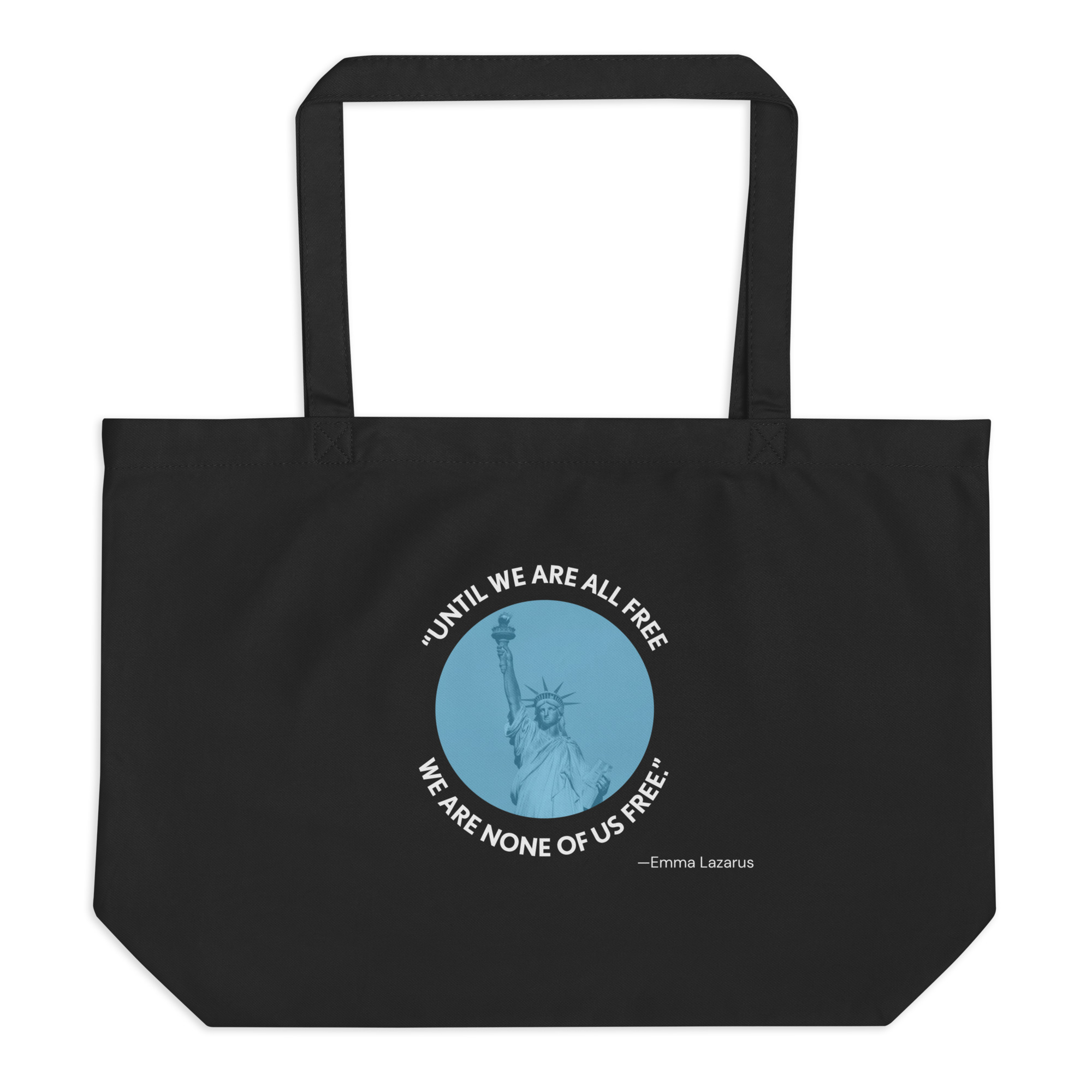

Clara Lemlich Shavelson

As an immigrant garment worker in New York City, Clara Lemlich Shavelson began organizing women into the International Ladies Garment Workers Union in 1905, forcing male union leaders to include women workers in strikes. At a 1909 strike meeting at the Cooper Union, Shavelson’s fiery speech set off the Uprising of the 20,000, the largest strike by women workers to that date. She later focused on the suffrage movement and organized housewives around food boycotts, including the 1917 kosher meat boycott. In 1929, she helped found what later became the Progressive Women’s Councils, organizing women around rent strikes and food boycotts during the Great Depression. Shavelson continued her activism into her final years, helping the orderlies at her nursing home to organize a union.
Overview and Early Life
field_section_text_value
Garment Worker Organizing and the Uprising of 20,000
field_section_text_value
Boycott Organization and the Progressive Women’s Councils
In 1913, Clara married printer Joe Shavelson and moved to Brownsville, in Brooklyn, where they had three children—Irving, Martha, and Rita. Far from the shop floor, Clara Shavelson began organizing wives and mothers around such issues as housing, food, and public education. She was a leader in the Term used for ritually untainted food according to the laws of Kashrut (Jewish dietary laws).kosher meat boycotts of 1917, called to protest rapid price increases, and in the rent strike movement that swept New York City in 1919, when a postwar housing shortage dramatically raised the cost of decent housing.
In 1926, Shavelson joined the Communist Party and, along with other CP women, founded the United Council of Working-Class Housewives. The council helped the wives of striking workers raise funds, gather food, and set up community kitchens and cooperative child care. Organizing housewives proved so effective that, in 1929, Shavelson and white-goods worker Rose Nelson created the United Council of Working-Class Women (UCWW). The UCWW led rent strikes; anti-eviction demonstrations; meat, bread, and milk boycotts; sit-ins, and marches on Washington. Shavelson argued that consumption was intimately linked to production, and that the working-class housewife was as important a participant in the class struggle as her wage-earning husband, sisters, sons, and daughters.
In 1935, the UCWW changed its name to the Progressive Women’s Councils and began building a coalition with a wide range of women’s organizations not affiliated with the Community Party to protest the increasing cost of staple foods and housing. With Clara Shavelson as its president, the Progressive Women’s Councils mounted a meat boycott that shut down forty-five hundred New York City butcher shops. Though in New York the strike was centered in Jewish and African-American neighborhoods, it soon spread to Chicago, Detroit, Los Angeles, St. Louis, Minneapolis, Cleveland, and several towns in Pennsylvania, involving women of all races, religions, and ethnic backgrounds.
This housewives’ coalition alleviated the worst effects of the Great Depression in many working-class communities: bringing down food prices, rent, and utility costs; preventing evictions; and spurring the construction of more public housing, schools, and parks. By the end of World War II the housewives’ movement had forced the federal government to regulate food and housing costs and to investigate profiteering on staple goods. Decades of intense antieviction struggles and years of lobbying for public housing helped convince many municipalities to pass rent control laws, and increased support in Congress for federally funded public housing. It also paved the way for the modern consumer and tenant movements and brought gender politics into the working-class home, shining a bright light on hidden power relations between husbands and wives, parents and children—long before the feminists of the 1960s and 1970s popularized the thesis that the personal is political. By demanding to be seen and respected in their own right, Clara Lemlich Shavelson and the housewife-activists laid the groundwork for the personal politics of the 1960s and 1970s.
Later Work and Political Activism
field_section_text_value
Buhle, Mari Jo. Women and American Socialism, 1870–1920. Urbana: University of Illinois Press, 1981.
Clinton, Chelsea. She Persisted: 13 American Women Who Changed the World. New York: Philomel Books, 2017.
Orleck, Annelise. Common Sense and a Little Fire: Women and Working-Class Politics in the United States, 1900–1965. Chapel Hill: University of North Carolina Press, 1995.
Scheier, Paula. “Clara Lemlich: 50 Years in Labor’s Front Line.” Jewish Life (November 1954). Reprinted in part in The American Jewish Woman, 1654–1980, edited by Jacob Rader Marcus. New York: K’Tav Publishing, 1981.
Tax, Meredith. The Rising of the Women: Feminist Solidarity and Class Conflict, 1880–1917. New York: Monthly Review Press, 1980.
Clara Lemlich Shavelson wrote scores of articles over the years for the Communist Party press. Some are in the personal possession of her family.
Interviews with colleagues, friends, and family of Shavelson are in the possession of her grandson Joel Schaffer and her daughter Martha Schaffer.
More on Clara Lemlich Shavelson



Double your impact to amplify Jewish women’s stories—
All gifts matched up to $35,000
Before you close this article, please consider supporting the Jewish Women’s Archive and uplifting Jewish women’s voices.
At JWA, we preserve the voices of Jewish women and gender-expansive people past and present, share them freely with millions online, and empower a new generation of Jewish feminists to lead with courage, creativity, and conviction.
But none of this happens without you. JWA is an independent nonprofit— we rely on people, like you, who believe that history belongs to all of us and that the voices of Jewish women must remain powerful, and heard.
This month, a generous JWA board member will match every gift dollar for dollar—up to $35,000—through June 30. Your contribution goes twice as far right now.
Every contribution—no matter the size—helps us document, teach, and inspire through Jewish women’s stories.
It takes less than a minute to make a difference.
Thank you for being a part of the JWA community,
Judith Rosenbaum, CEO