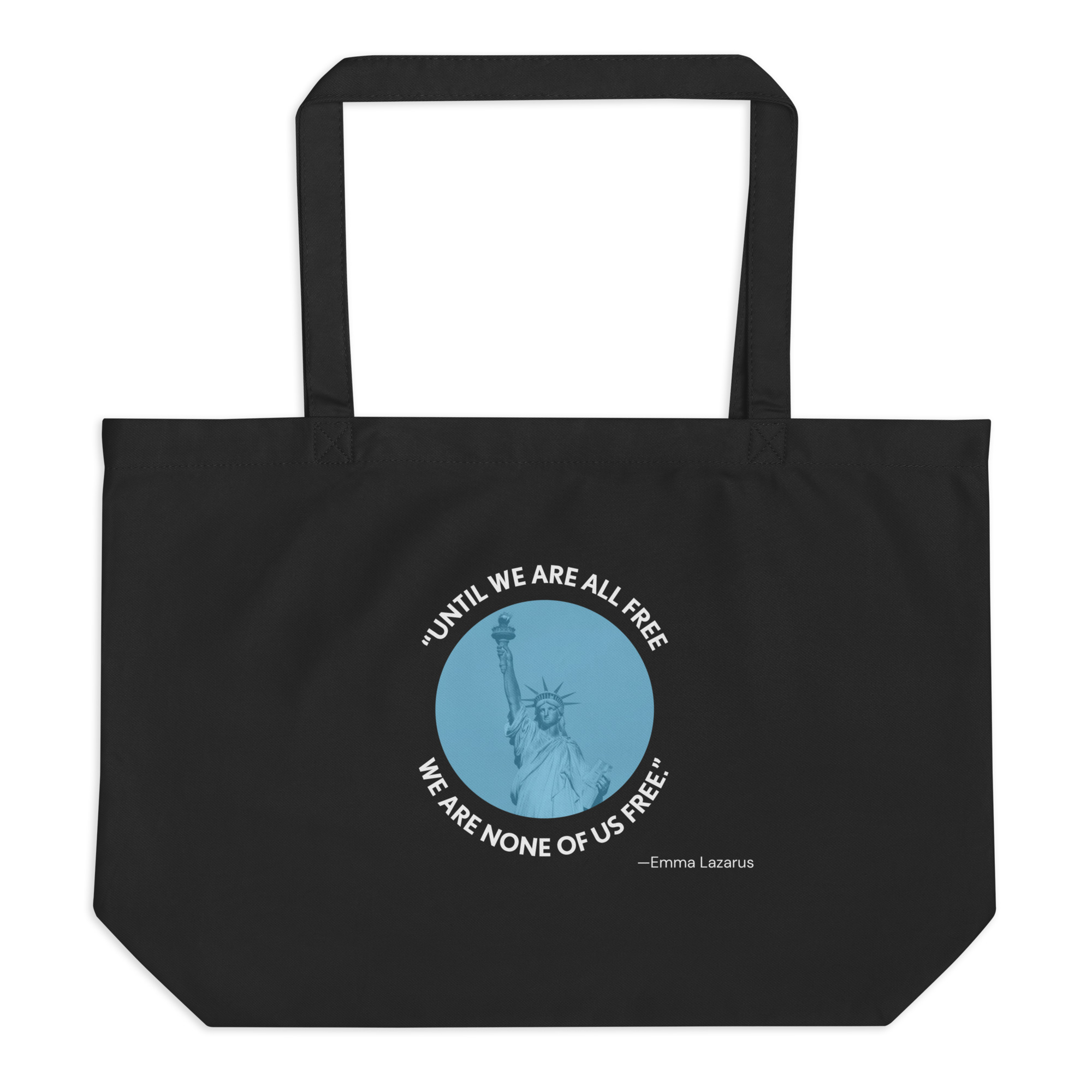

Naomi: Bible

Naomi is featured prominently in the Hebrew Bible, and in her stories, she is portrayed as a woman who both challenges and conforms to patriarchal expectations. Over the course of her stories, she has a complicated relationship with God, sometimes blaming God for her issues or concluding that God has forsaken her. Her stories, which appear in the Book of Ruth, concern her struggle to survive with her daughter-in-law, Ruth. Analyses of Naomi from a modern feminist lens include varied interpretations of her actions, but regardless of her position concerning the patriarchy, she dominates the stories in the Book of Ruth and effectively controls the situations of which she is a part.
field_section_text_value
Marriage and Travels
field_section_text_value
Story with Boaz
Naomi’s prominence continues in scene two (2:1–23). Her name is the first word. It links her to a wealthy kinsman named Boaz. Meanwhile, Naomi grants Ruth permission to glean wherever she is received (2:2). When Ruth finds favor in the field of Boaz, a servant identifies her to him by invoking the name of Naomi (2:6). Boaz also alludes to Naomi as Ruth’s mother-in-law (2:11). In the evening Ruth returns to Naomi, who initiates (2:19) and concludes (2:22) their conversation. Passing judgment on Ruth’s day, Naomi utters words of blessing for the first time (2:19–20). They pertain to the man, as yet unidentified for her, who helped Ruth (2:19). Upon learning that the man is Boaz, Naomi adds the name of the Lord to her blessing (2:20) and so invokes the God whom she has earlier faulted as the giver of bitterness (1:13, 21). Naomi is changing (2:20–22).
As the last to speak in scene two (2:22) and the first to speak in scene three (3:1–18), Naomi continues to direct the plot of the narrative. Not waiting for matters to take their course or for God to intervene, she plans to secure Boaz as husband for Ruth. In seeking security through marriage, her plan fits the strictures of patriarchy, but it departs from them in proposing a dangerous scheme. Naomi tells her “daughter” to dress in fine clothes and visit Boaz in secret at the threshing floor. There she will ask him to make good on his prayer for her blessing (3:3–5). The plan succeeds. The scene ends with the two women discussing the events of the night. Naomi again initiates (3:16) and concludes (3:18) their exchange. From being the receiver of calamity, she has become the agent of change and challenge.
Naomi never speaks again; her work is finished. Nevertheless, she figures prominently in the last scene (4:1–21), her name appearing six times. Boaz depicts Naomi as the owner of property (4:3, 5, 9). The women of Bethlehem invoke YHWH’s blessing upon Naomi through Ruth and the grandchild Ruth bears her (4:14–15). The narrator reports that Naomi embraces the child and becomes his nurse. And at the end, the women even declare that the child has been born to Naomi (4:17).
Analysis
Feminist assessments of Naomi diverge widely, depending often upon the cultural, social, ideological, and experiential biases of readers. A sampling includes the following: Naomi is a cipher for male values that find fulfillment for women in marriage and children. In contrast to the loss of status for childless widows in patriarchy, Naomi achieves importance as a mother-in-law and an independent character. Naomi is an overbearing, interfering, and domineering mother-in-law. Naomi is a caring, gracious, and altruistic mother-in-law. Naomi the Judean rejects Ruth (and Orpah) because she is a Moabite. Naomi embraces Ruth the Moabite within the family of Judah. Naomi and Ruth are rivals, with Naomi eventually achieving the greater prestige. Naomi and Ruth are friends, indeed sisterlike, each seeking the good of the other in a world over which they have little control. Naomi schemes, connives, and manipulates. Naomi plans, reflects, and executes. Naomi is an embittered old woman who denounces God for her troubles but fails to thank the deity when she recovers. Naomi is a profound figure of faith who experiences God as enemy but then wrestles blessing from adversity. All such disparate judgments attest to Naomi’s commanding, if ambiguous, presence in one of the few biblical stories focused on women.
Adelman, Rachel. "Weaving the Messianic Light: Law and Narrative in Making of the Messianic Dynasty.” In The Female Ruse: Women's Deception and Divine Sanction in the Hebrew Bible, 90-121. Sheffield: Sheffield Phoenix Press, 2015.
Frymer-Kensky, Tikva and Tamara Cohn Eskenaz. JPS Bible Commentary: Ruth. Philadelphia: JPS, 2011.
Frymer-Kensky, Tikva. "Royal Origins: Ruth on the Royal Way" and "Royal Origins: The Moabite.” In Reading the Women of the Bible, 238-263. New York: Schocken Books, 2002.
Kalmanofsky, Amy. "Ruth and Naomi." In Dangerous Sisters of the Hebrew Bible, 157-174. Minneapolis: Augsburg Fortress Press, 2014.
Kates, Judith A., and Gail Twersky Reimer, eds. Reading Ruth: Contemporary Jewish Women Reclaim a Sacred Story. New York: 1994.
Lapsley, Jacqueline. “Seeing the Older Woman: Naomi in High Definition.” In Engendering the Bible in a Gendered World, edited by Linda Day and Carolyn Pressler, 102-113. Westminster, 2006.
Levine, Amy-Jill. “Ruth.” Women’s Bible Commentary, edited by Carol A. Newsom and Sharon H. Ringe, 78–84. Kentucky: 1992.
Meyers, Carol, General Editor. Women in Scripture. New York: 2000.
Trible, Phyllis. “A Human Comedy.” In God and the Rhetoric of Sexuality. Philadelphia: 1978.
More Like This



Double your impact to amplify Jewish women’s stories—
All gifts matched up to $35,000
Before you close this article, please consider supporting the Jewish Women’s Archive and uplifting Jewish women’s voices.
At JWA, we preserve the voices of Jewish women and gender-expansive people past and present, share them freely with millions online, and empower a new generation of Jewish feminists to lead with courage, creativity, and conviction.
But none of this happens without you. JWA is an independent nonprofit— we rely on people, like you, who believe that history belongs to all of us and that the voices of Jewish women must remain powerful, and heard.
This month, a generous JWA board member will match every gift dollar for dollar—up to $35,000—through June 30. Your contribution goes twice as far right now.
Every contribution—no matter the size—helps us document, teach, and inspire through Jewish women’s stories.
It takes less than a minute to make a difference.
Thank you for being a part of the JWA community,

Judith Rosenbaum, CEO